The Dark Side of Dictators: Revealing Their Hidden Assets and Illicit Money Transfers
Category : | Sub Category : Posted on 2024-11-05 21:25:23
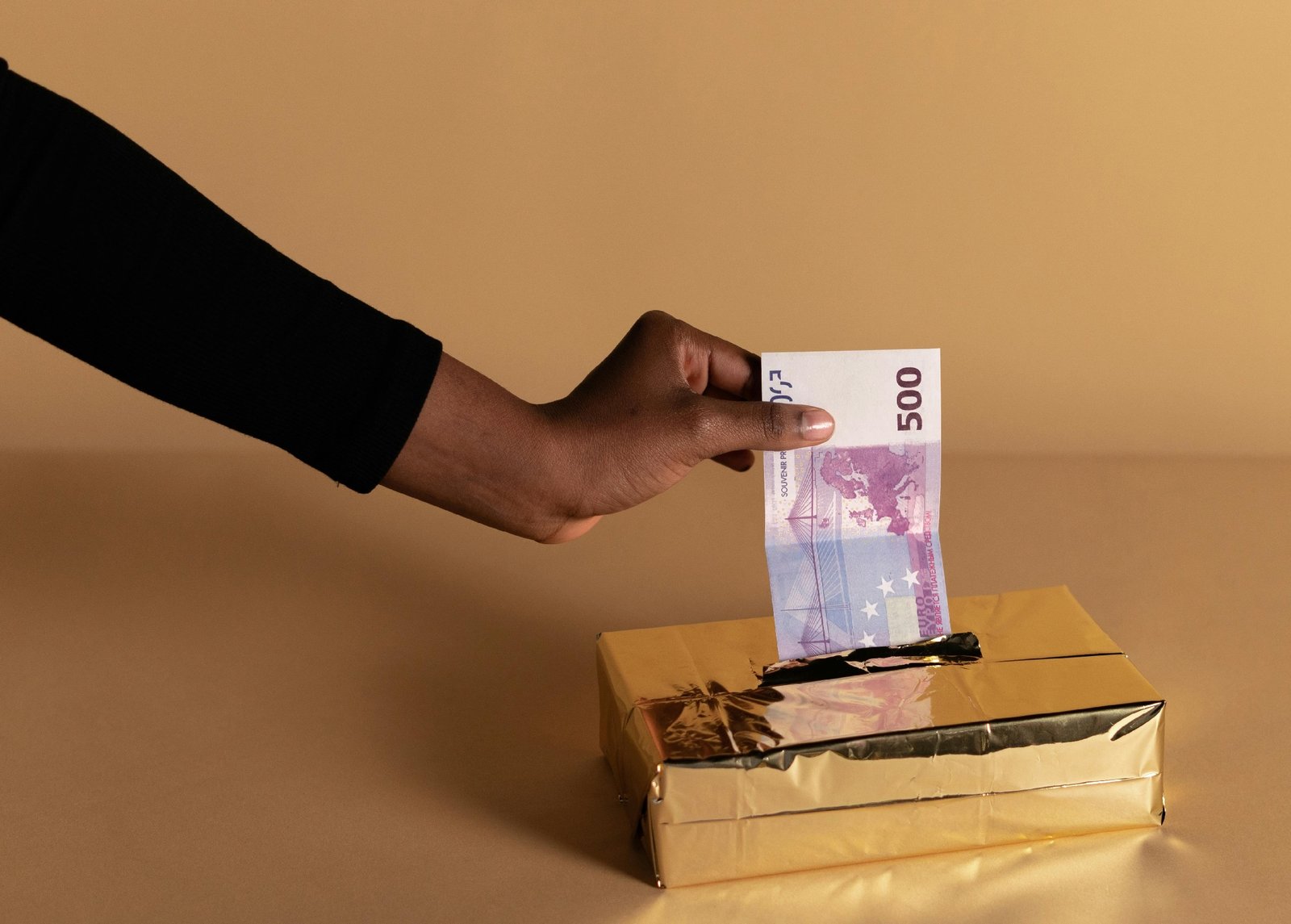
Dictators have long been known for amassing enormous wealth through corrupt practices and the exploitation of their power. From lavish mansions to private jets, these autocrats live a life of luxury at the expense of their impoverished citizens. But how do they manage to hide their ill-gotten gains and transfer their assets across borders to avoid detection? In this blog post, we delve into the world of dictators' assets and money transfers, exploring the shady practices that allow these despots to enrich themselves at the expense of their people. One of the most common tactics used by dictators to conceal their wealth is through the use of shell companies and offshore accounts. These entities are often set up in tax havens where financial regulations are lax, making it easy for corrupt officials to hide their money from prying eyes. By funneling their ill-gotten gains through a complex web of shell companies and offshore accounts, dictators can obscure the true source of their wealth and avoid scrutiny by authorities. In addition to hiding their assets, dictators also engage in illicit money transfers to move their wealth across borders without attracting attention. Money laundering is a common practice among corrupt officials, allowing them to disguise the origins of their funds and integrate them into the legitimate financial system. By using a combination of shell companies, front companies, and complicated financial transactions, dictators can transfer their assets to foreign banks and investments with little risk of detection. Several books have been written on the topic of dictators' assets and money transfers, shedding light on the methods used by these autocrats to enrich themselves at the expense of their citizens. One such book is "Moneyland: The Inside Story of the Crooks and Kleptocrats Who Rule the World" by Oliver Bullough, which exposes the global network of corruption and money laundering that enables dictators to siphon off billions of dollars from their countries. Another noteworthy book is "The Looting Machine: Warlords, Oligarchs, Corporations, Smugglers, and the Theft of Africa's Wealth" by Tom Burgis, which delves into the illicit financial flows that allow dictators and their cronies to plunder the natural resources of Africa for their own personal gain. Through meticulous research and firsthand accounts, Burgis uncovers the web of corruption that fuels the wealth of these autocrats and perpetuates poverty and instability in the region. In conclusion, the world of dictators' assets and money transfers is a murky and complex web of corruption and deceit. Through the use of shell companies, offshore accounts, and illicit money transfers, these autocrats are able to enrich themselves at the expense of their citizens, perpetuating poverty and suffering in their countries. By shining a light on these practices and holding these despots accountable for their crimes, we can work towards a more just and equitable world where the wealth of nations benefits the people, not just the powerful few.
Leave a Comment:
SEARCH
Recent News
- Rebuilding Syria's Economy After the Dictatorship: Lessons from Zurich, Switzerland
- Zurich, Switzerland is known for its picturesque landscapes, charming old town, and vibrant cultural scene. On the other hand, Damascus, the capital of Syria, has a rich history dating back thousands of years but has faced significant challenges, especially after the dictatorship that gripped the country.
- Zurich, Switzerland: A Beacon of Stability for Syrian Investors in Post-Dictatorship Damascus Real Estate Market
- Rebuilding Syria's Economy Through YouTube Content Creation and Translation
- Damascus Tourism After Dictatorship: A Potential Opportunity for YouTube Content Creation and Translation
- **The Impact of YouTube Content Creation and Translation on the Damascus Real Estate Market After Dictatorship**
- In the wake of the devastating dictatorship in Syria, the path to rebuilding the economy of the war-torn country has been challenging. However, a beacon of hope shines through in the form of a YouTube channel dedicated to highlighting the efforts and progress being made in revitalizing the Syrian economy.
- Damascus Tourism After Dictatorship: A New Beginning
READ MORE
11 months ago Category :

Rebuilding Syria's Economy After the Dictatorship: Lessons from Zurich, Switzerland
Read More →11 months ago Category :

Zurich, Switzerland is known for its picturesque landscapes, charming old town, and vibrant cultural scene. On the other hand, Damascus, the capital of Syria, has a rich history dating back thousands of years but has faced significant challenges, especially after the dictatorship that gripped the country.
Read More →11 months ago Category :

Zurich, Switzerland: A Beacon of Stability for Syrian Investors in Post-Dictatorship Damascus Real Estate Market
Read More →11 months ago Category :
