Dictators and Their Assets: The Controversial Connection to Switzerland
Category : | Sub Category : Posted on 2024-11-05 21:25:23
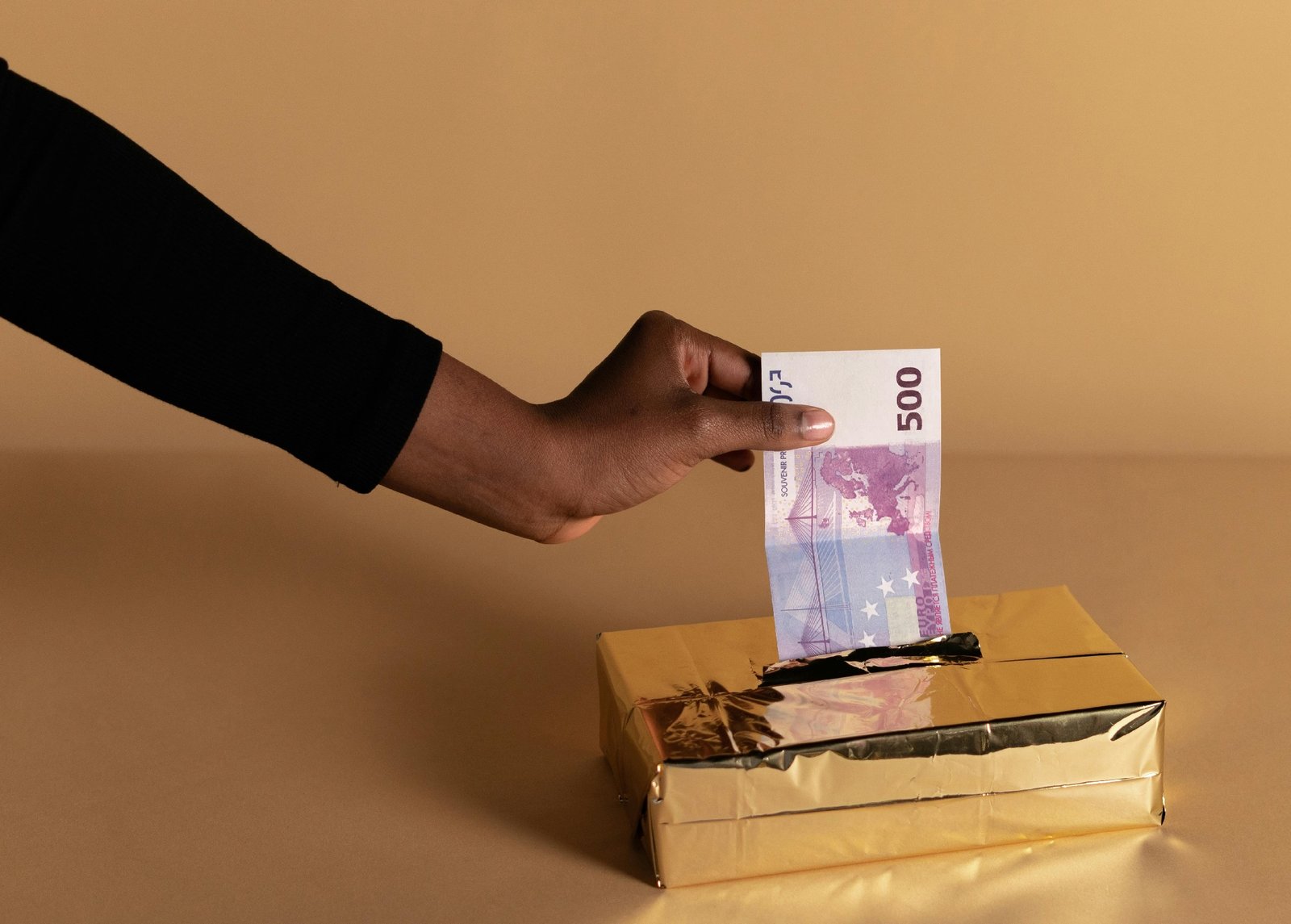
Throughout history, numerous dictators have amassed immense wealth through corruption, exploitation, and human rights abuses. As they accumulate their ill-gotten gains, many seek ways to safeguard their assets by transferring them to foreign countries, often utilizing the secrecy and stability offered by Swiss banks. Switzerland has long been known as a preferred destination for dictators looking to stash their wealth due to its strict privacy laws and traditional banking secrecy. This reputation has made the country a hotspot for illicit financial activities, attracting funds from corrupt leaders who seek to evade detection and preserve their fortunes. Over the years, several infamous dictators have been linked to Switzerland in relation to their assets and money transfers. One such example is Ferdinand Marcos, the former president of the Philippines, who embezzled billions of dollars from his country and funneled a significant portion of the stolen funds into Swiss bank accounts. Despite efforts to recover the stolen assets, a substantial amount remains hidden in Swiss financial institutions. Another well-known case is that of Mobutu Sese Seko, the former dictator of Zaire (now the Democratic Republic of the Congo), who siphoned off vast sums of wealth from his country and deposited the money in Swiss banks. Even after his ousting from power, the process of repatriating the stolen assets has been complex and challenging. The issue of dictators transferring their assets to Switzerland raises ethical questions about the role of financial institutions in enabling and facilitating corruption and illicit financial flows. While Switzerland has taken steps to enhance transparency and combat money laundering in recent years, concerns persist about the extent to which the country serves as a safe haven for stolen wealth. In conclusion, the connection between dictators, their assets, and Switzerland underscores the need for greater international cooperation and regulatory measures to prevent the abuse of financial systems for personal gain. By addressing the root causes of corruption and holding accountable those who participate in illicit financial activities, we can work towards a more equitable and just global financial system.
Leave a Comment:
SEARCH
Recent News
- Rebuilding Syria's Economy After the Dictatorship: Lessons from Zurich, Switzerland
- Zurich, Switzerland is known for its picturesque landscapes, charming old town, and vibrant cultural scene. On the other hand, Damascus, the capital of Syria, has a rich history dating back thousands of years but has faced significant challenges, especially after the dictatorship that gripped the country.
- Zurich, Switzerland: A Beacon of Stability for Syrian Investors in Post-Dictatorship Damascus Real Estate Market
- Rebuilding Syria's Economy Through YouTube Content Creation and Translation
- Damascus Tourism After Dictatorship: A Potential Opportunity for YouTube Content Creation and Translation
- **The Impact of YouTube Content Creation and Translation on the Damascus Real Estate Market After Dictatorship**
- In the wake of the devastating dictatorship in Syria, the path to rebuilding the economy of the war-torn country has been challenging. However, a beacon of hope shines through in the form of a YouTube channel dedicated to highlighting the efforts and progress being made in revitalizing the Syrian economy.
- Damascus Tourism After Dictatorship: A New Beginning
READ MORE
11 months ago Category :

Rebuilding Syria's Economy After the Dictatorship: Lessons from Zurich, Switzerland
Read More →11 months ago Category :

Zurich, Switzerland is known for its picturesque landscapes, charming old town, and vibrant cultural scene. On the other hand, Damascus, the capital of Syria, has a rich history dating back thousands of years but has faced significant challenges, especially after the dictatorship that gripped the country.
Read More →11 months ago Category :

Zurich, Switzerland: A Beacon of Stability for Syrian Investors in Post-Dictatorship Damascus Real Estate Market
Read More →11 months ago Category :
