The Controversial Relationship Between Dictators, Finance, and Switzerland
Category : | Sub Category : Posted on 2024-11-05 21:25:23
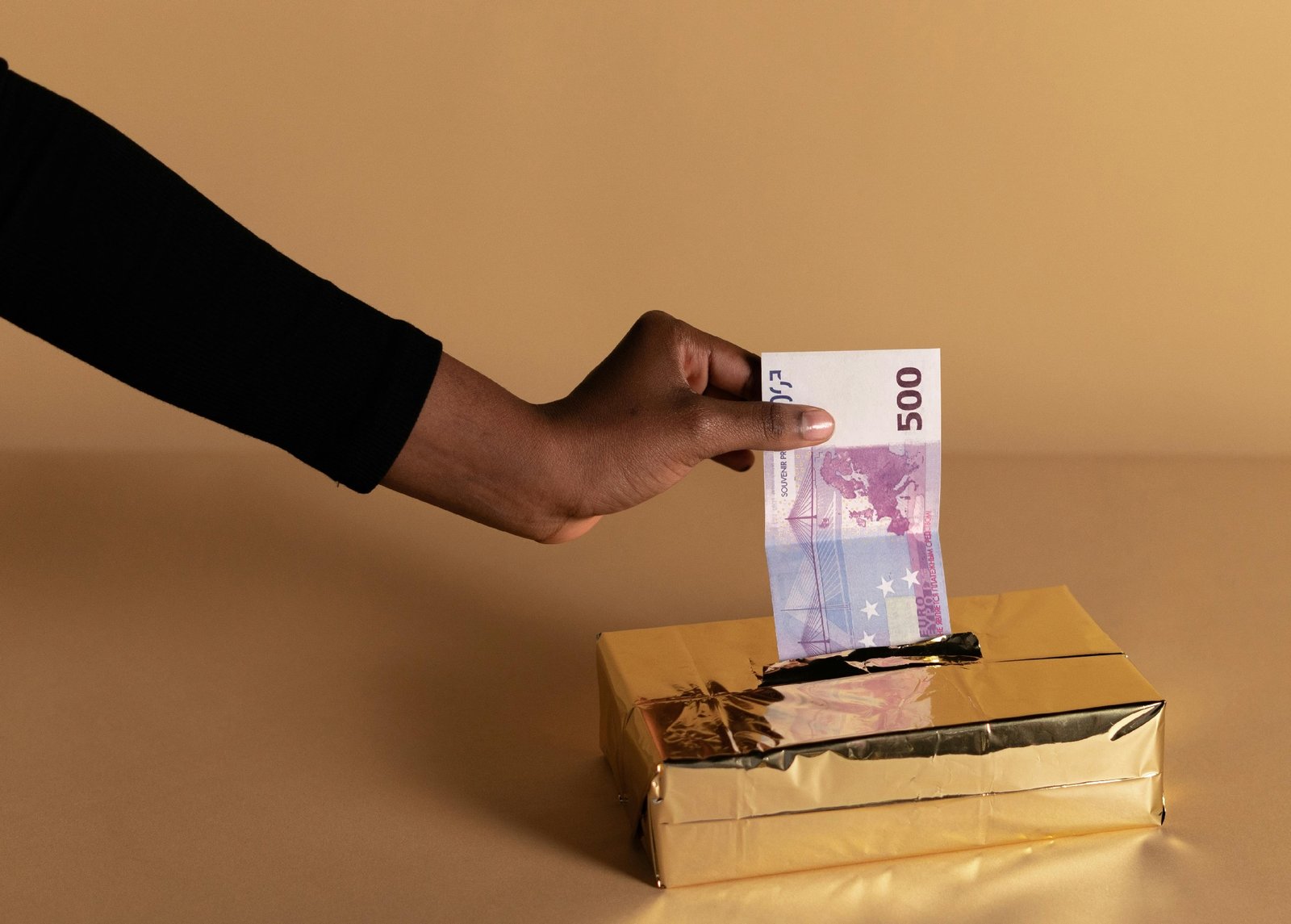
Switzerland has long been known as a global financial hub, attracting wealth from around the world. However, with this reputation comes a dark side - the country has been accused of enabling dictators to stash their ill-gotten gains in its banks. Dictators who have plundered their country's wealth often seek out safe havens to hide their money, and Switzerland has historically been a popular choice due to its strict privacy laws and banking secrecy. This has raised ethical questions about Switzerland's role in enabling corruption and human rights abuses by providing a safe haven for dictators' funds. The issue of dictators using Switzerland to hide their wealth came to the forefront during the Arab Spring uprisings of 2011, when Swiss authorities froze billions of dollars of assets belonging to former dictators such as Hosni Mubarak of Egypt and Zine El Abidine Ben Ali of Tunisia. This move highlighted the controversial relationship between dictators, finance, and Switzerland. Critics argue that Switzerland should do more to prevent dictators from using its banks to stash their wealth. They call for greater transparency and accountability in the Swiss financial system to ensure that ill-gotten funds are not sheltered in the country. Some have even suggested that Switzerland should be more proactive in returning stolen assets to the countries from which they were looted. Switzerland, for its part, has taken steps to address these concerns. In recent years, the country has implemented measures to enhance transparency in its financial sector and crack down on money laundering and corruption. Swiss banks are now required to conduct due diligence on their clients to ensure that they are not dealing with illicit funds. While Switzerland has made progress in combating the illicit financial flows of dictators, the issue remains complex and multifaceted. The country continues to grapple with balancing its reputation as a global financial center with the need to uphold ethical standards and prevent the abuse of its financial system by corrupt leaders. In conclusion, the relationship between dictators, finance, and Switzerland is a complicated and controversial issue that raises important questions about ethics, accountability, and transparency in the global financial system. As Switzerland continues to navigate this complex landscape, it must strike a balance between its role as a financial hub and its responsibility to prevent the abuse of its banking system by those who seek to exploit it for their own gain.
Leave a Comment:
SEARCH
Recent News
- Rebuilding Syria's Economy After the Dictatorship: Lessons from Zurich, Switzerland
- Zurich, Switzerland is known for its picturesque landscapes, charming old town, and vibrant cultural scene. On the other hand, Damascus, the capital of Syria, has a rich history dating back thousands of years but has faced significant challenges, especially after the dictatorship that gripped the country.
- Zurich, Switzerland: A Beacon of Stability for Syrian Investors in Post-Dictatorship Damascus Real Estate Market
- Rebuilding Syria's Economy Through YouTube Content Creation and Translation
- Damascus Tourism After Dictatorship: A Potential Opportunity for YouTube Content Creation and Translation
- **The Impact of YouTube Content Creation and Translation on the Damascus Real Estate Market After Dictatorship**
- In the wake of the devastating dictatorship in Syria, the path to rebuilding the economy of the war-torn country has been challenging. However, a beacon of hope shines through in the form of a YouTube channel dedicated to highlighting the efforts and progress being made in revitalizing the Syrian economy.
- Damascus Tourism After Dictatorship: A New Beginning
READ MORE
8 months ago Category :

Rebuilding Syria's Economy After the Dictatorship: Lessons from Zurich, Switzerland
Read More →8 months ago Category :

Zurich, Switzerland is known for its picturesque landscapes, charming old town, and vibrant cultural scene. On the other hand, Damascus, the capital of Syria, has a rich history dating back thousands of years but has faced significant challenges, especially after the dictatorship that gripped the country.
Read More →8 months ago Category :

Zurich, Switzerland: A Beacon of Stability for Syrian Investors in Post-Dictatorship Damascus Real Estate Market
Read More →8 months ago Category :
