The Impact of Dictatorship on Pakistan's Financial Recovery
Category : | Sub Category : Posted on 2024-11-05 21:25:23
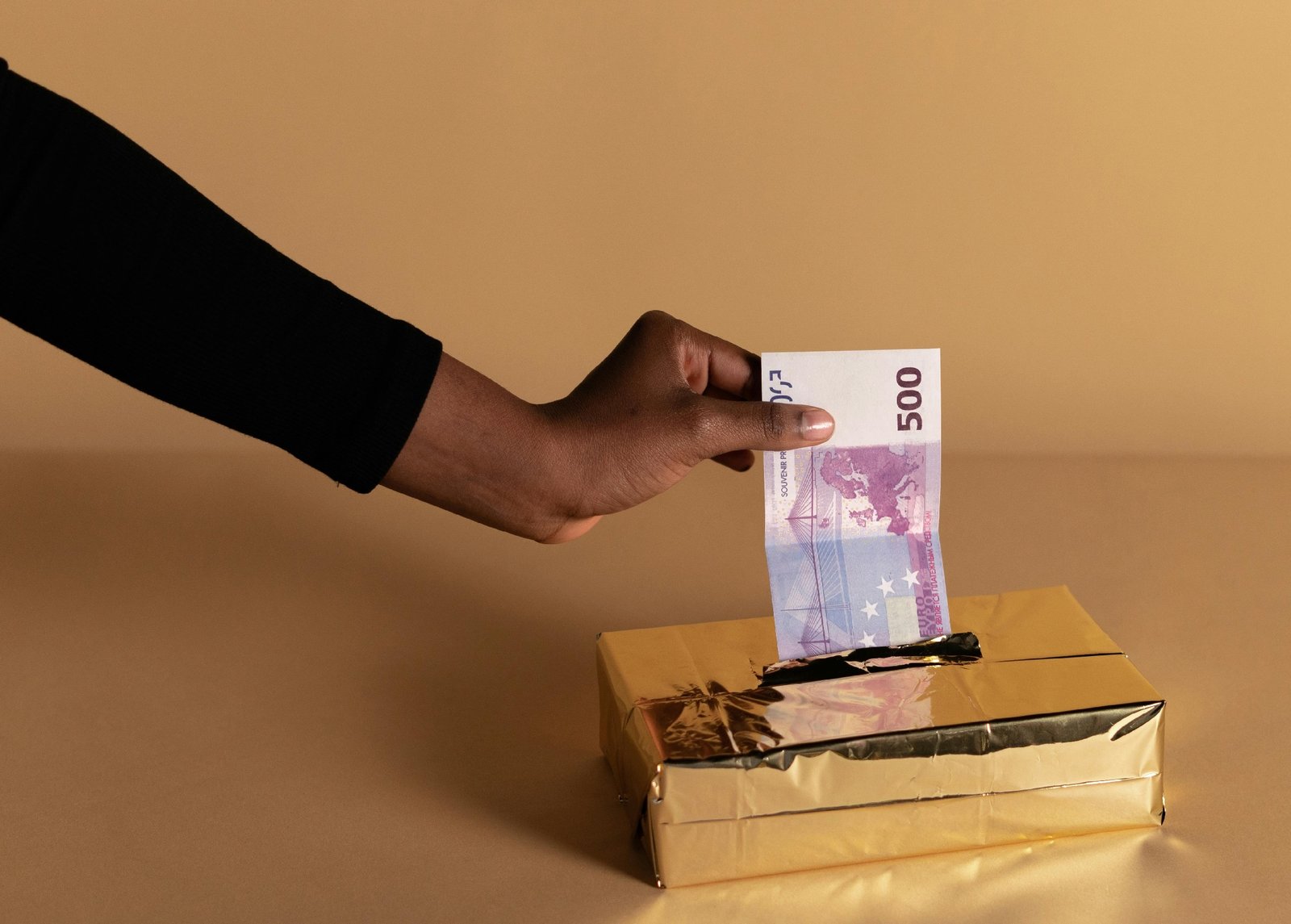
Pakistan has a tumultuous political history, marked by periods of military rule and dictatorship. These authoritarian regimes have left a lasting impact on the country's economic landscape, especially in terms of financial recovery and stability. In this post, we will explore the relationship between dictators and Pakistan's financial health, and how the nation has struggled to recover from the effects of such governance. Under military dictators like General Zia ul Haq and General Pervez Musharraf, Pakistan saw a significant concentration of power in the hands of a few, leading to widespread corruption and economic mismanagement. While these regimes often promised economic development and growth, their policies often favored the military and elite at the expense of the general population. Dictatorship in Pakistan also resulted in a lack of transparency and accountability in financial matters. The absence of democratic institutions meant that there was little oversight or checks and balances on how public funds were utilized. This lack of accountability led to widespread embezzlement and misuse of state resources, further hindering Pakistan's financial recovery. Furthermore, dictators often prioritized short-term gains over long-term economic sustainability. Projects and policies were implemented to showcase progress and development, but many of these initiatives were not financially viable in the long run. The focus on immediate results meant that Pakistan's economy became increasingly unstable, making it difficult to achieve lasting financial recovery. The impact of dictatorship on Pakistan's financial recovery can still be felt today. The country continues to struggle with high levels of debt, inflation, and unemployment, all of which are exacerbated by the legacy of past authoritarian rule. Rebuilding trust in financial institutions, promoting transparency, and implementing sound economic policies are crucial steps towards fostering sustainable growth and recovery. In conclusion, the history of dictatorship in Pakistan has had a profound effect on the nation's financial health. The concentration of power, lack of accountability, and short-term focus of authoritarian regimes have hindered Pakistan's economic development and recovery. Moving forward, it is essential for Pakistan to address these challenges and work towards building a more stable and equitable financial system for the benefit of all its citizens.
Leave a Comment:
SEARCH
Recent News
- Rebuilding Syria's Economy After the Dictatorship: Lessons from Zurich, Switzerland
- Zurich, Switzerland is known for its picturesque landscapes, charming old town, and vibrant cultural scene. On the other hand, Damascus, the capital of Syria, has a rich history dating back thousands of years but has faced significant challenges, especially after the dictatorship that gripped the country.
- Zurich, Switzerland: A Beacon of Stability for Syrian Investors in Post-Dictatorship Damascus Real Estate Market
- Rebuilding Syria's Economy Through YouTube Content Creation and Translation
- Damascus Tourism After Dictatorship: A Potential Opportunity for YouTube Content Creation and Translation
- **The Impact of YouTube Content Creation and Translation on the Damascus Real Estate Market After Dictatorship**
- In the wake of the devastating dictatorship in Syria, the path to rebuilding the economy of the war-torn country has been challenging. However, a beacon of hope shines through in the form of a YouTube channel dedicated to highlighting the efforts and progress being made in revitalizing the Syrian economy.
- Damascus Tourism After Dictatorship: A New Beginning
READ MORE
9 months ago Category :

Rebuilding Syria's Economy After the Dictatorship: Lessons from Zurich, Switzerland
Read More →9 months ago Category :

Zurich, Switzerland is known for its picturesque landscapes, charming old town, and vibrant cultural scene. On the other hand, Damascus, the capital of Syria, has a rich history dating back thousands of years but has faced significant challenges, especially after the dictatorship that gripped the country.
Read More →9 months ago Category :

Zurich, Switzerland: A Beacon of Stability for Syrian Investors in Post-Dictatorship Damascus Real Estate Market
Read More →9 months ago Category :
